
+918048809459

Currently it only shows your basic business info. Start adding relevant business details such as description, images and products or services to gain your customers attention by using Boost 360 android app / iOS App / web portal.

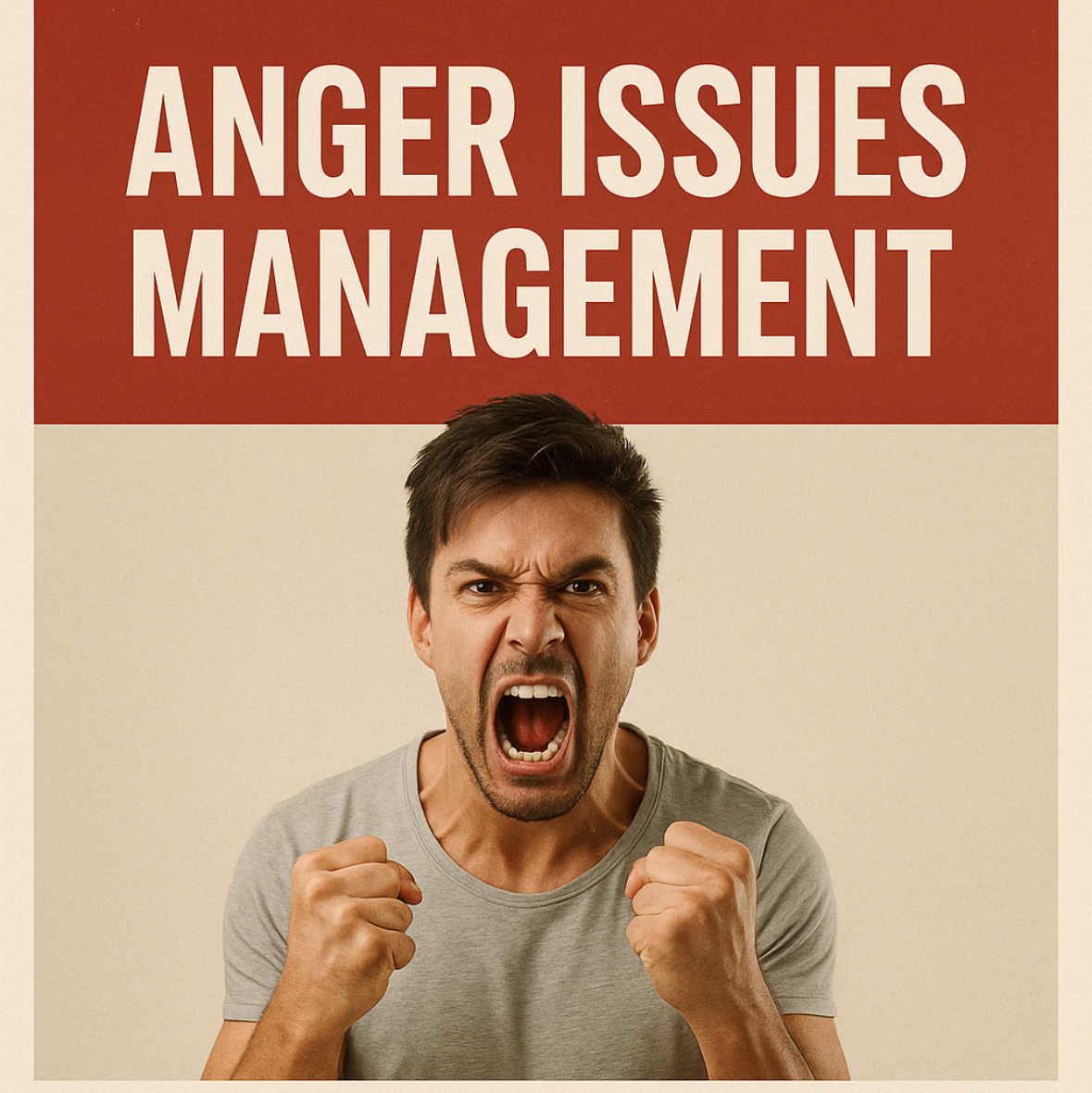
1. Cognitive-Behavioral Techniques (CBT) CBT focuses on identifying and changing negative thought patterns that trigger anger. • Thought Monitoring: Recognizing thoughts like “They disrespected me” and replacing them with rational ones like “Maybe they didn’t mean it.” • Cognitive Restructuring: Challenging exaggerated beliefs (e.g., “This always happens to me!”) and changing them to balanced thoughts. • Socratic questioning: Asking self-reflective questions like “Is my reaction helping or harming?” 2. Relaxation & Physiological Techniques Anger activates the body’s fight-or-flight response. These techniques calm the nervous system: • Deep Breathing (Diaphragmatic Breathing): Inhale slowly for 4 seconds, hold for 2, exhale for 6. • Progressive Muscle Relaxation (PMR): Tensing and releasing muscle groups one by one. • Mindfulness Meditation: Staying present without judgment to reduce impulsive reactions. • Grounding Techniques: Focusing on the senses (5 things you see, 4 you touch, etc.). 3. Emotional Awareness & Self-Monitoring • Anger Diary: Keeping a journal of anger-triggering events, thoughts, emotions, and reactions. • Identifying Triggers: Learning what situations, people, or thoughts lead to anger. • Understanding Anger Levels: Rating anger from 1–10 helps notice early signs and intervene early. 🔹4. Communication & Assertiveness Training Helps individuals express needs without aggression or suppression. • Use of “I” Statements: Example: “I feel upset when meetings start late because it affects my schedule.” • Active Listening: Listening without interrupting, validating the other person’s feelings. • Setting Boundaries: Learning to say “no” calmly without guilt or aggression. 5. Problem-Solving & Decision-Making Anger sometimes arises from feeling stuck or helpless. • Define the Problem Clearly • Generate Possible Solutions • Evaluate Pros and Cons • Choose and Apply the Best Option Counsellors teach clients to focus on solutions rather than blame. 🔹 6. Behavioural Strategies • Time-Out Technique: Taking a short break to calm down during an argument. • Physical Activity: Exercise like walking, running, or yoga releases built-up anger. • Relaxing Hobbies: Art, music, journaling, gardening, or cooking for emotional wellness Contact us Arunoday councelling clinic Best psychologist Mental Health Therapist Marital counsellor


