
+918048809459

Currently it only shows your basic business info. Start adding relevant business details such as description, images and products or services to gain your customers attention by using Boost 360 android app / iOS App / web portal.

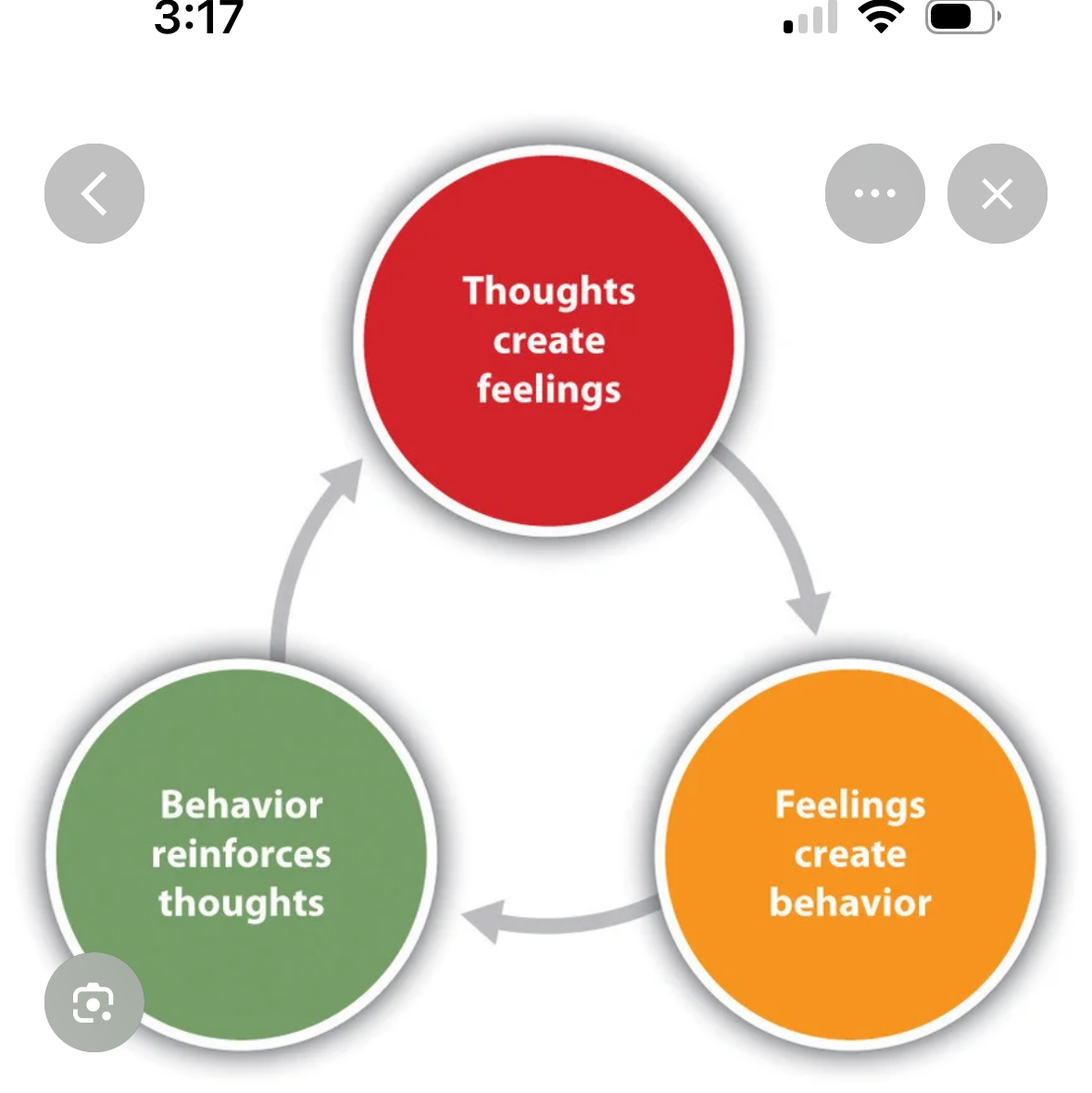
⸻ 🧠 What Behaviour Therapy Is Behaviour therapy is a type of psychotherapy (talk therapy) that focuses on changing learned behaviours that are unhelpful or distressing. It doesn’t focus on exploring unconscious past experiences — instead, it concentrates on what a person does (actions) and what reinforces those actions.  The core idea is that: • Unhelpful behaviours (like avoidance, compulsions, anger outbursts) are learned and therefore can be un-learned or replaced with healthier behaviours. • This is based on principles from learning theory: classic conditioning (associations) and operant conditioning (reinforcement).  🔎 How It Works in Practice Behaviour therapy helps by: ✅ Identifying specific patterns that cause distress (e.g., avoidance of social situations) ✅ Breaking cycles of avoidance or reinforcement that maintain problems ✅ Introducing new behaviour patterns and practical coping strategies Examples include exposure to feared situations, role play, systematic desensitisation, reinforcement of positive behaviours, and skills training.  ⸻ 🧠 Behaviour Therapy Meets Psychotherapy Psychotherapy as a whole is the use of psychological methods to help people deal with emotions, thought patterns, and behaviours that affect their mental health — such as anxiety, depression, trauma, or stress. Behaviour therapy is one evidence-based form of psychotherapy.  In therapy sessions, you work collaboratively with a trained therapist: • The therapist listens, observes behaviour patterns, and helps you understand how certain behaviours contribute to distress. • Together you set goals and practice new skills or responses that lead to improved functioning and emotional well-being.  ⸻ 🧠 Common Conditions Behaviour Therapy Helps With Behaviour therapy techniques are effective for: ✔ Anxiety and phobias ✔ Obsessive-compulsive behaviours ✔ Anger or impulse control challenges ✔ Stress and burnout ✔ Habit problems and some addictive behaviours ✔ Performance or social avoidance issues …among other concerns.  Often it’s combined with cognitive strategies (as in Cognitive Behavioural Therapy, a very commonly used approach) to address both thinking and behaviour.  ⸻ 🧠 How It’s Used at Arunoday Counselling Clinic At Arunoday Counselling Clinic, led by Dr Vaishali Singh, behaviour-focused approaches are part of the therapy services offered along with other structured psychotherapy methods — especially for issues like: • Anxiety & stress • Depression symptoms • Anger management • Relationship challenges • Behaviour change goals (such as reducing avoidance or unhelpful habits)  They use evidence-based techniques to help you: 🔹 Understand how your current behaviours contribute to your distress 🔹 Practice new ways of responding to triggers or stress 🔹 Build coping skills that work in daily life 🔹 Track progress over time through measurable changes A strong therapeutic relationship and a safe, supportive space help make behaviour changes sustainable.  ⸻ 🧠 What You Can Expect in a Session While every case is unique, sessions generally involve: ✔ Talking about the problems that bring you to therapy ✔ Identifying unhelpful behaviour patterns ✔ Setting achievable goals together ✔ Practising tools and strategies (like exposure, reinforcement plans, calm-down techniques) ✔ Reviewing progress and adjusting plans over time Contact us :— Arunoday counselling clinic Female mental health therapist Marriage counsellor Child psychologist


