
+918048809459

Currently it only shows your basic business info. Start adding relevant business details such as description, images and products or services to gain your customers attention by using Boost 360 android app / iOS App / web portal.

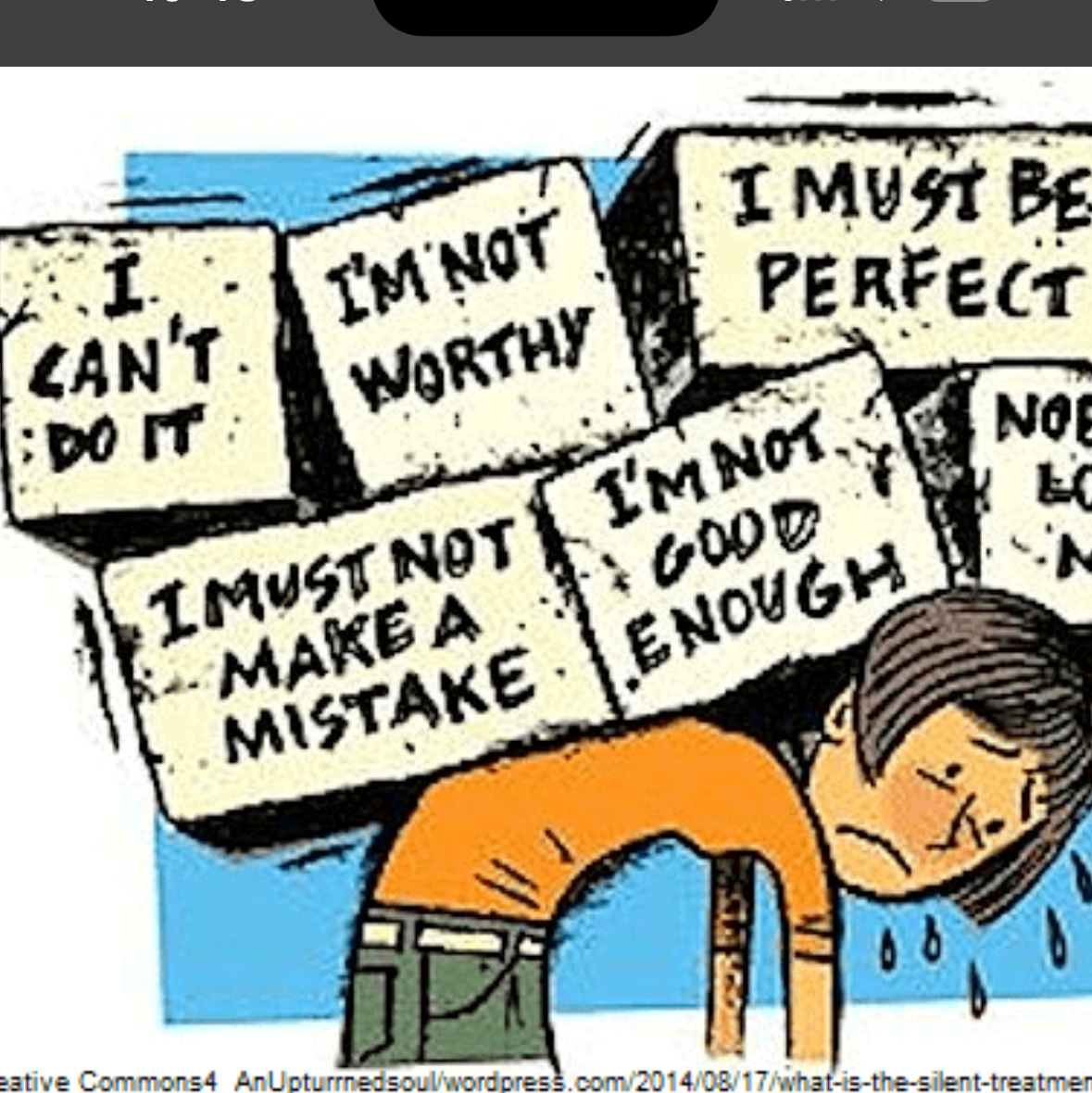
Negative Self-Beliefs Negative self-beliefs are deeply held thoughts or assumptions we have about ourselves that are critical, unkind, or limiting — for example: • “I’m not good enough.” • “I always fail.” • “I don’t deserve love.” These beliefs often stem from early experiences, trauma, repeated criticism, or unmet emotional needs. Over time, they shape how a person interprets events, responds to challenges, and relates to others. ⸻ 💬 Coping Mechanisms When negative self-beliefs dominate, people often use coping mechanisms to deal with the emotional pain. Some are unhelpful (avoidance, perfectionism, withdrawal), while others are healthy and can be developed through counselling or therapy. Unhelpful Coping Mechanisms • Avoiding situations where you might fail or be judged • Overworking or striving for perfection • Seeking excessive reassurance • Numbing emotions with substances, food, or distractions Healthy Coping Mechanisms • Self-awareness: Identifying when a negative belief is activated • Self-compassion: Speaking to yourself with kindness and understanding • Mindfulness: Staying present instead of ruminating on past failures • Reality testing: Asking “What evidence supports or contradicts this belief?” • Journaling: Writing down triggers and alternative, balanced thoughts • Grounding techniques: Breathing exercises, meditation, or body awareness ⸻ 🧠 Counselling and Psychotherapy Approaches Different therapeutic approaches target negative self-beliefs in specific ways: 1. Cognitive Behavioural Therapy (CBT) • Focuses on identifying and challenging distorted thoughts. • Helps replace automatic negative thoughts with realistic, balanced ones. • Uses structured exercises (thought records, behavioural experiments). 2. Schema Therapy • Addresses deep, childhood-based “schemas” or core beliefs (e.g., defectiveness, abandonment). • Uses both cognitive and emotional techniques to heal unmet needs. 3. Person-Centred Counselling • Emphasises empathy, unconditional positive regard, and genuineness. • The therapist provides a safe environment where self-acceptance can grow. 4. Psychodynamic Therapy • Explores how past relationships and unconscious patterns shape current self-beliefs. • Focuses on insight and emotional understanding. 5. Compassion-Focused Therapy (CFT) • Specifically targets shame and self-criticism. • Builds self-compassion as an antidote to negative self-belief. 6. Acceptance and Commitment Therapy (ACT) • Helps clients accept negative thoughts without letting them control behaviour. • Focuses on values-based living rather than “fixing” thoughts. ⸻ 🌻 Practical Steps in Therapy 1. Identify negative self-beliefs and their origins. 2. Explore how they influence emotions and behaviours. 3. Challenge and reframe them with evidence and compassion. 4. Practice new coping and self-supportive behaviours. 5. Reinforce positive experiences that contradict old beliefs. Contact us :—Best psychologist Mental Health Therapist Child psychotherapist Marital counsellor


