
+918048809459

Currently it only shows your basic business info. Start adding relevant business details such as description, images and products or services to gain your customers attention by using Boost 360 android app / iOS App / web portal.

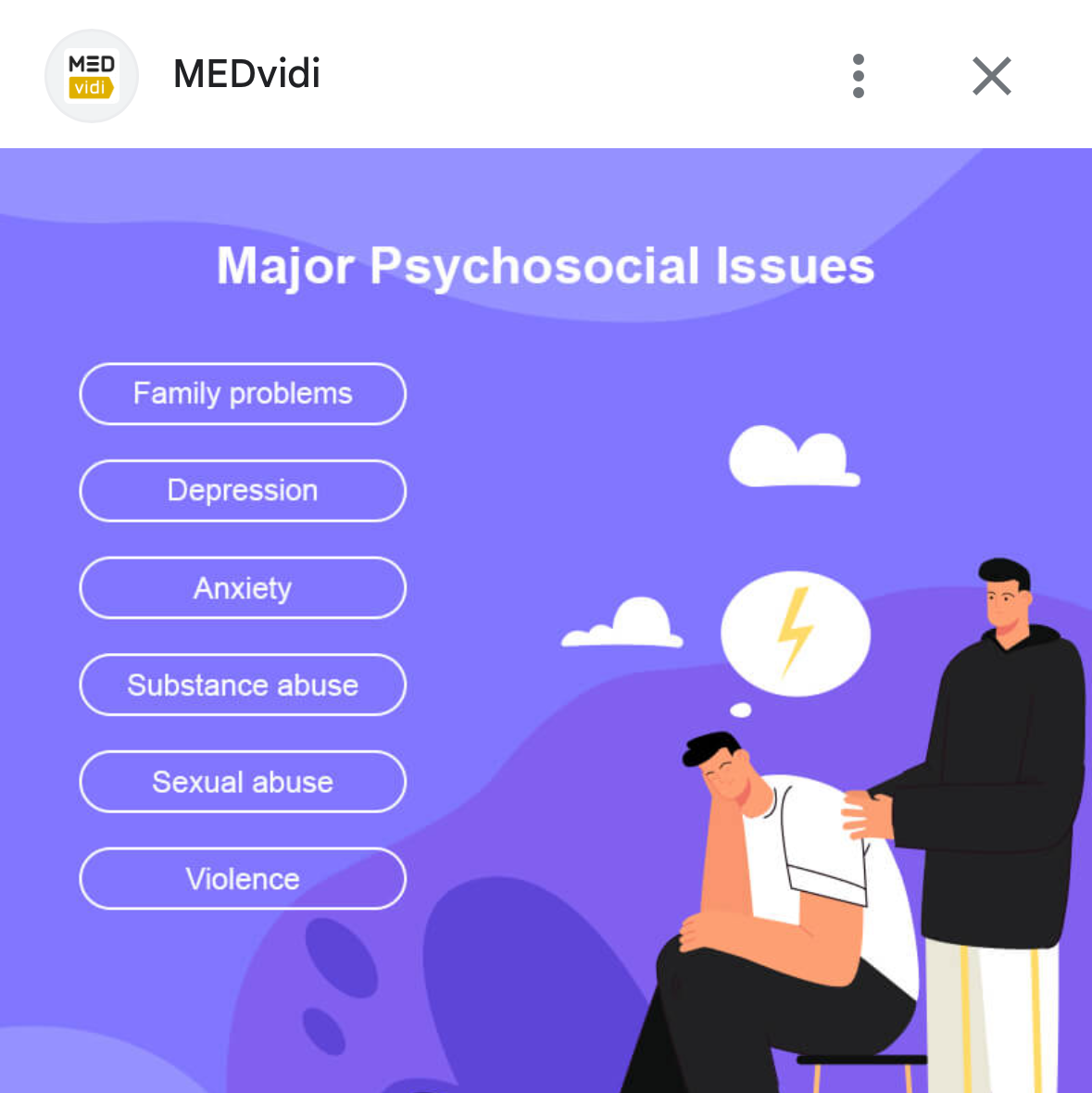
Managing psychosocial problems through counselling and psychotherapy involves addressing both the psychological and social aspects of a person’s difficulties. These problems often stem from stress, relationships, family conflicts, social isolation, trauma, or life transitions. Below is a structured explanation of how counselling and psychotherapy help manage them: ⸻ 🌿 1. Assessment and Understanding Before therapy begins, the counsellor or psychotherapist: • Conducts an initial assessment to identify the person’s psychological, emotional, and social issues. • Understands the client’s environment, such as family, work, and community influences. • Explores coping mechanisms, strengths, and support systems. 🧠 Purpose: To get a full picture of how social and psychological factors interact in the client’s life. ⸻ 💬 2. Building a Therapeutic Relationship A safe, non-judgmental, and trusting relationship is essential. • Counsellor offers empathy, unconditional positive regard, and active listening. • This relationship allows clients to express feelings and explore underlying issues openly. 🌱 Example: A client struggling with workplace stress may open up about family pressure and financial concerns once trust is established. ⸻ 🧩 3. Identifying Core Psychosocial Issues The therapist helps clients explore: • Emotional problems (e.g., anxiety, depression, anger) • Social conflicts (e.g., relationship issues, peer pressure) • Life stressors (e.g., unemployment, family breakdown) • Cultural or societal influences (e.g., stigma, discrimination) Through exploration, clients become aware of the root causes rather than just the symptoms. ⸻ 🪞 4. Therapeutic Techniques and Interventions Various counselling and psychotherapy methods are used based on the nature of the problem: a. Cognitive-Behavioral Therapy (CBT) • Identifies and changes negative thought patterns and behaviors. • Useful for managing stress, anxiety, and depression. b. Person-Centered Counselling • Focuses on empathy, acceptance, and self-exploration. • Encourages clients to find their own solutions and personal growth. c. Psychodynamic Therapy • Explores unconscious conflicts and early life experiences. • Helps clients understand deep-seated emotional patterns. d. Family or Group Therapy • Addresses relational and communication problems. • Strengthens support systems and reduces social isolation. e. Social Skills Training • Teaches effective communication, assertiveness, and problem-solving. • Enhances social functioning and confidence. ⸻ 🌈 5. Enhancing Coping Strategies and Resilience Counselling promotes: • Stress management techniques (relaxation, mindfulness, breathing) • Healthy coping skills (journaling, positive self-talk) • Adaptive social behaviors (seeking support, setting boundaries) This empowers clients to handle future psychosocial challenges better. ⸻ 🤝 6. Strengthening Social Support Systems The therapist helps clients: • Reconnect with family and friends. • Engage in community or support groups. • Build a healthier social environment. ⸻ 🔄 7. Evaluation and Follow-up • Progress is reviewed regularly. • Clients learn to maintain emotional stability and apply coping skills in real life. • Long-term support may be offered when needed. ⸻ 🌟 Outcome Through consistent counselling and psychotherapy, individuals can: • Gain insight into their psychosocial issues. • Develop emotional balance and problem-solving abilities. • Improve relationships and social functioning. • Enhance overall well-being and quality of life.


